
Bargain Books


Books

Calligraphy

Tattoos

Other
Selection of Wares

The Hidden Agent and the Hidden Flames of Love
The Parable of the Yol Chick, the Dzo, and the Gedan
The Tale of Orghana
The Marksman of the Skilled Thumb
A Sparrow who had Seven Eggs
Somehow, We Forgot the Name of that Red Flower
An Ugdan's Clever Lie
Fugitive from the Endless War


Back
Next


Calligraphy Services

Banners and Flags
Letters
Signs
Posters

Invitations

Engravings


Examples


* Ask for custom quotes
Back
Next


Tattoo Artistry
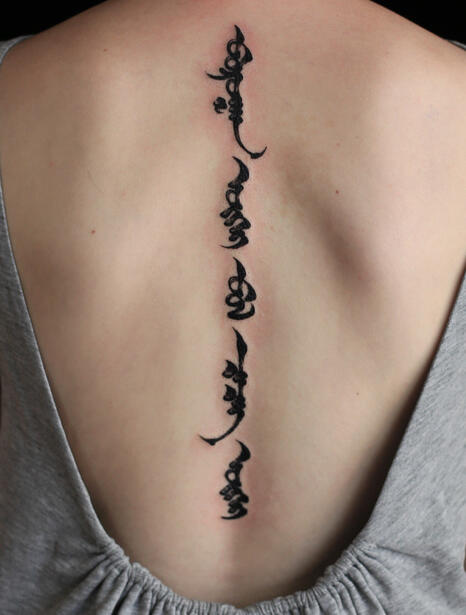
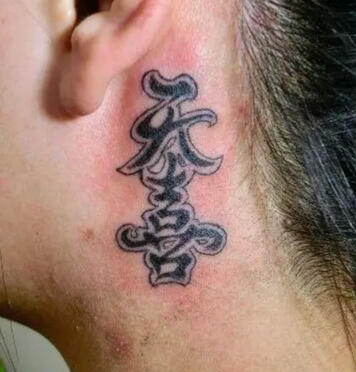
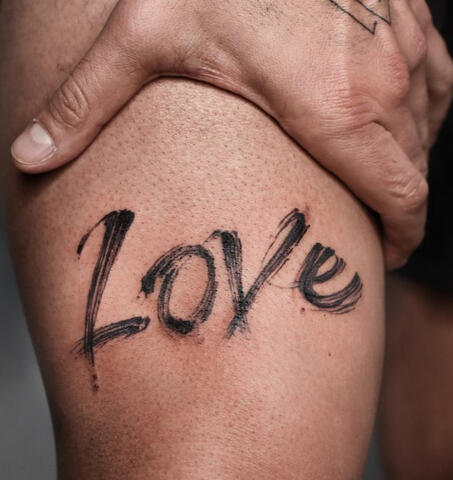
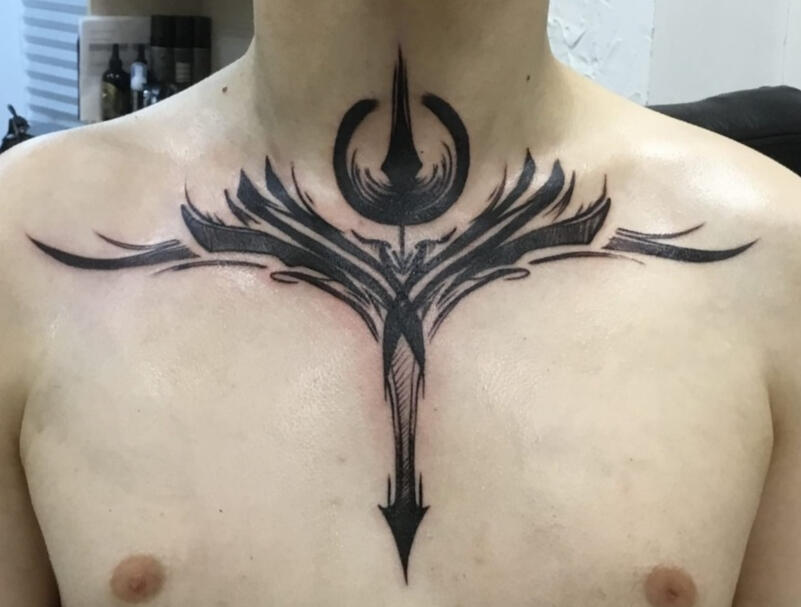
As a tattoo artist, Batmunkh specializes in elegant script designs. Options include many font styles and languages, such as Xaelic variants, Doman, Hingan, and Eorzean Common. Batmunkh can mimic the appearance of brush strokes on skin, as well as imbue simple shapes or illustrations. More complicated figures and colourful drawings are beyond him.
Examples

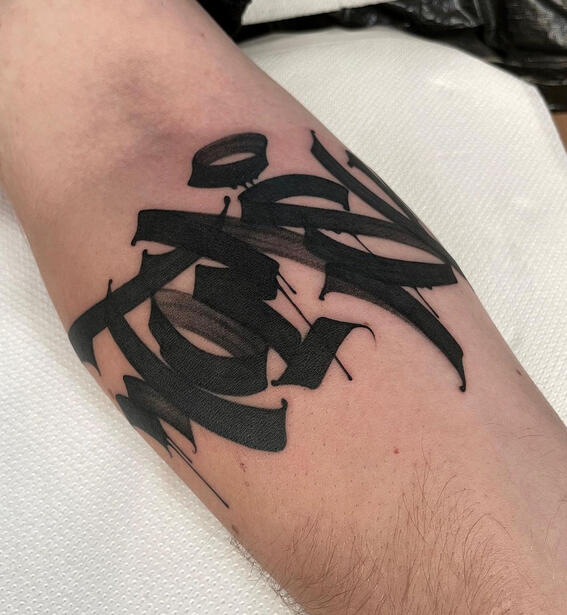
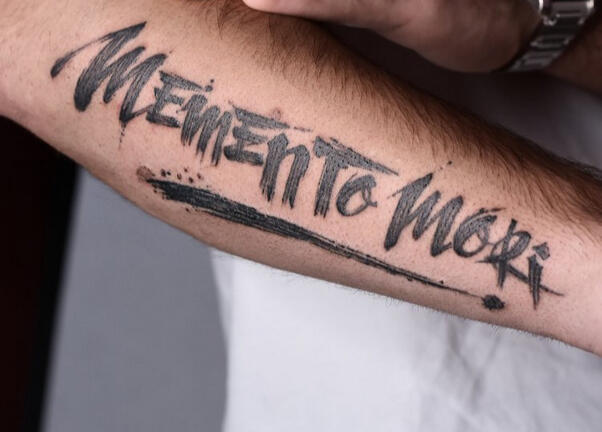

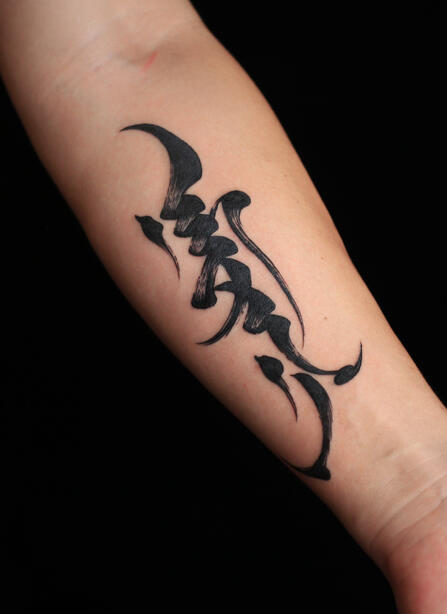

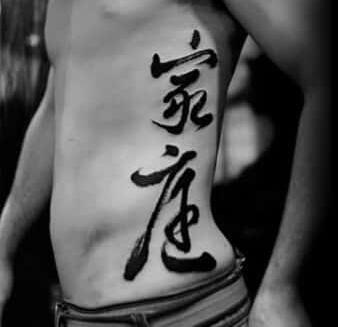
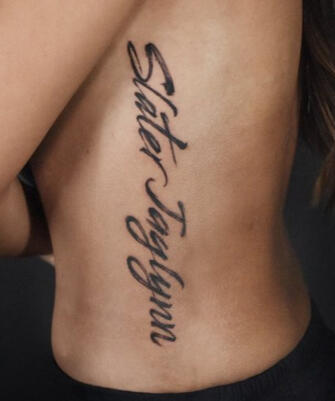
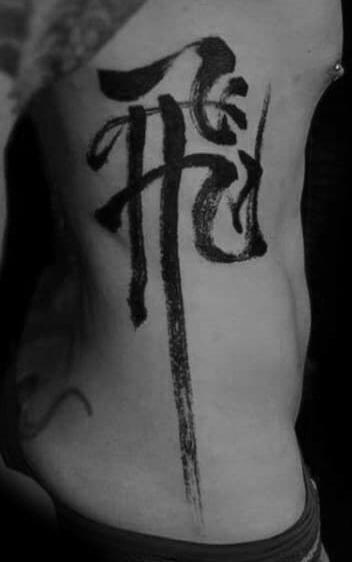
* Prices vary by complexity
Back
Next


About the Author

Batmunkh of the BudugaAn old man who seeks to atone for past evils. He now devotes his life to literature.
Other Services
Literacy Lessons, Book Readings,
Writing Commissions
Other Roleplay Hooks
Rumours of Summoning knowledge
Rumours he once fought a Rathalos
His crimes against the Kahkol Tribe
Back
Home


The Hidden Agent and the Hidden Flames of LoveQuick Summary: The story of a young man of the Moks tribe who is sent as a spy to report on the Buduga tribe and the actions of an older Budugan Khan. He devises his own kidnapping to join with the all-male tribe. He learns the many ways of the Buduga, and as he befriends their Khan, an unexpected love blossoms in the two men’s hearts. But what happens when the treachery of the Moks is revealed…? An original romance novel conceived by Batmunkh Buduga himself, this work of fiction offers great insight into Budugan culture and traditions.Book Appearance: A green leather-bound book about 450 pages thick. The outside edges of the paper have a pattern stained upon them in gold featuring the symbols of the Buduga and Moks tribes. At the top of the front cover, shaped into the leather and outlined in black ink are two hands forming the words for “my Khan” in Moks sign-language. Below that, “The Hidden Agent and the Hidden Flames of Love – Batmunkh Buduga” is engraved and painted over in elegant script. Due to linguistic differences, the original title of the book written in Xaelic is significantly longer, and would more accurately translate to “I Cannot Leave My Khan Behind: The Hidden Flames of Love Between a Moks Agent and His Budugan Khan”.In-Depth Summary:Part I.The story begins with the scheming of the Moks tribe. The protagonist is a young Moks man, assigned by his tribe to spy upon the actions of the Buguda and their Khan. The Moks elders forge a false identity for him as a man of the Jhungid tribe, and one night arrange for his kidnapping by the Buduga. The tale then follows the protagonist as he learns the Budugan ways. For years, he lives amongst them, undetected.Wishing to gain better information, the Moks protagonist develops a close friendship with the Khan. Their bond grows so deep that the Khan takes him as his lover on some nights. The story describes the gradual growth of their friendship, the blossoming of their love, and graphically details several of their passionate lovemakings.Part II.One fateful evening, the agent’s treachery is revealed. One of the Buduga catch him relaying the Khan’s secrets to another Moks through their tribe’s hand signals. He tries to flee but is hunted down and captured within three days, then thrown down before the Khan.The Khan is outraged— betrayed. But he does not forget their friendship. As merciful punishment, the Moks is made slave of the tribe. The story details the long suffering he experiences, carrying out gruelling work with little food or rest each day. He's even forced to fight in the Naadam, which ends in Budugan victory. During this time, the Khan will hardly look at him nor speak to him. It is clear from the hurt on both men's faces that they still have love for one another.Part III.Feeling still quite merciful towards his once-friend and close lover, after only one year, right at sunset, the Khan frees the Moks man. He commands him to leave and never return again.But something unexpected happens. The Moks begs to stay. He says he would sooner throw himself down into the dark waters beneath the Dawn Throne and drown rather than bear any life without seeing the Khan. He proclaims that the Budugan Khan is the only Khan for him, and he will abandon the other Moks if it means they can repair the love they once shared ; while his identity may have been falsified, his love was true.The Khan, cherishing their memories, and forgetting the betrayal, agrees. He takes the Moks back as his lover, while the Moks sheds his previous tribe to become a true Buduga brother— and the once-spy does not betray again even a single time. He becomes the Khan’s favourite husband, therefore gaining much power within their tribe, and they live happily ever after.< Return >
The Parable of the Yol Chick, the Dzo, and the GedanQuick Summary: A yol hatchling falls from his nest and cries out, encountering first a dzo, then a gedan. It is a fable oft told to children and designed to impart moral lessons. Spread orally by tradition, this tale has now been adapted in written form. The moral is explained at the end.Book Appearance: A bright red, leather-bound book about 30 pages. In the centre of the front cover, engraved upon the leather in clean and simple lettering , is “The Parable of the Yol Chick, the Dzo, and the Gedan – Batmunkh Buduga.” Around the edges of the covers– both on the front and back– are small, stylistic engravings of yols, dzos, and gedans. The paper of this book is particularly thick and varnished to accommodate for the clumsiness of a child. Some pages have simple ink illustrations accompanying the words.In-Depth Read:There was once a little yol chick who had not yet learned how to fly. One freezing night, he tumbled from his nest and landed onto the ground.He was feeling incredibly cold, and thus began crying out “chirp, chirp, chirp” for anyone to help him.The yol chick was lucky, for along came a dzo. He saw the infant yol, and felt pity for him. So, the dzo lifted his tail, and…SPLAT. He gifted to the chick a steaming hot pile.Now the chick was nice and warm. But considering what he was covered in, he was still not happy. Thus, he continued crying out, “chirp, chirp, chirp”, louder than ever.The next one to hear him was a mean old gedan, who came running forth at the sound. He reached out his paw, and pulled the yol chick from the dzo's filth.He brushed the dirt from the chick quite nicely. And then…he swallowed the hatchling down in one gulp. Or so it is told.Have you understood the lessons of this tale? Of the dzo who covered a chick in filth to keep it warm, and the gedan who freed the hatchling , only to then eat it?If not, here are answers for you.Those who cast dirt upon you and have you face unpleasant things are not always seeking to hurt you. Likewise, those who save you are not always seeking to help you.Most importantly, when you are covered up to your nose in waste, keep your mouth closed.< Return >
SOLD OUT!How unfortunate, this book is out of stock. The one on display is Batmunkh's personal copy, and thus not for sale. Each of these books are handmade by him, taking weeks to craft. It may be a while before more copies are made. Try again in a few weeks, or consider ordering in advance!Is the curiosity too much? It's possible to ask for a book's summary, even if it's unavailable.< Return >
SOLD OUT!How unfortunate, this book is out of stock. The one on display is Batmunkh's personal copy, and thus not for sale. Each of these books are handmade by him, taking weeks to craft. It may be a while before more copies are made. Try again in a few weeks, or consider ordering in advance!Is the curiosity too much? It's possible to ask for a book's summary, even if it's unavailable.< Return >
A Sparrow Who Had Seven EggsQuick Summary: This book is an adaptation of a common children’s fable, one typically passed down through oral tradition, now given new life in written form. It is the story of a timid sparrow and her conflict with a mean Gulo Gulo. A clever mouse intervenes to aid the bird.Book Appearance: A book bound in indigo blue cloth, with intricate designs woven using yellow and white thread around the borders, about 48 pages thick. In the very centre of the cover is an illustration of seven eggs, light blue with brown specks all over. Above and below, “A Sparrow Who Had Seven Eggs – Batmunkh Buduga” is painted upon the cloth in easy-to-read, elegant lettering. The pages are thicker than usual and varnished, as if anticipating a child’s clumsy hands. Half of the pages include simple ink illustrations.In-Depth Read:Once upon a time, there lived a sparrow who had seven blue speckled eggs. She possessed a beautiful nest on a branch that overlooked a cliff. One day, a Gulo Gulo came along and said, "Give me one of your seven eggs! Let me eat one, and I shall spare you!"The sparrow refused."If you won't give me one of your eggs, I shall knock down your branch and turn your nest into dust!" the Gulo Gulo threatened.The sparrow became frightened and gave the Gulo Gulo an egg.So the Gulo Gulo came every day, repeating her threat. She ate the eggs until there was only one.The sparrow cried bitterly. Hearing her, a mouse came along and asked, "Why are you crying so?""Once I had seven eggs," the sparrow replied, "But then a Gulo Gulo came and demanded I give her one of my eggs. And when I told her I wouldn't, she said: 'If you won't give it to me, I shall knock down your branch and turn your nest into dust'. I didn't know what to do, so I gave her the egg. She did it again and again. Now there is but one left."The mouse listened to the sparrow, and he then gave her the following advice: "The next time the Gulo Gulo comes, you will say: 'I won't give you my last egg.' Then the Gulo Gulo will tell you what she told you before. She will say: ‘I shall knock down your branch. I’ll turn your nest into dust.' So you will ask her: 'But where are your horns to throw down the branch with? And where are your hooves to turn my nest into dust?' Then she surely will ask you who taught you these words. You will tell her: 'I have thought about it all by myself, for hours, until it occurred to me. I slept on the matter and then the realization stole into my mind.'"The next day the Gulo Gulo returned and said, "Give me your last remaining egg!"But the sparrow refused, yelling , “I won’t give you my last egg!”So the Gulo Gulo said, "Then I shall have to knock down your branch and turn your nest into dust!""'But where are your horns to throw down the branch with? And where are your hooves to turn my nest into dust?" asked the sparrow.The Gulo Gulo demanded, "Where did you hear these words? Tell me!"But the sparrow didn't tell. Instead she said, "I have thought about it all by myself, for hours, until it occurred to me. I slept on the matter and then the realization stole into my mind.""If you won't tell me who taught you these words, I shall have to use the 7 ruses of the Gulo Gulo to capture and eat you!" the Gulo Gulo threatened.The sparrow was at a loss over what to do and succumbed to fear. She told the Gulo Gulo, "The mouse living in that hole over there taught me."The Gulo Gulo went to the opening of the mouse's hole. She called him out. The mouse answered, "I'm just now cleaning my home."The Gulo Gulo waited, then called for the mouse again. He said, "Oh, but I'm wiping my mirror."The Gulo Gulo still remained in front of the hole and called for the mouse once more. The mouse stuck out his head and the Gulo Gulo said, "What a pretty head you have. How pretty your chest must be." The mouse showed his chest."Oh, but how pretty your chest is. How pretty your bum has to be," the Gulo Gulo told him and the mouse showed his bum."What a pretty bum. A pretty tail you must surely have then," the Gulo Gulo wondered aloud and the mouse crawled far enough out of the hole to show his tail."You have such a pretty body. But it would look even prettier if you were to jump on that rock," the Gulo Gulo said.When the mouse jumped on the rock, the Gulo Gulo snapped and she caught him.The mouse told her, "If you chew on me, I will smell. But if you take big bites, I will be tasty."The Gulo Gulo heeded his advice. But when she opened her mouth wide, the mouse fell out and fled.The Gulo Gulo was very angry that the mouse had escaped. She came back to the branch and found the sparrow on the ground rolling away her final egg.“The mouse might have tricked me, but now I shall have both you and your egg to eat!” the Gulo Gulo said, and she swallowed up both the sparrow and the egg.It occurred to the mouse these events would happen. When the Gulo Gulo slept, he returned.The mouse spoke to the belly, “You were frightened, so I shall forgive you for telling about my home. But to leave your perch was your folly.”“I'm sorry, I didn’t know what to do!” cried the sparrow from the sleeping Gulo Gulo’s belly.The mouse heard the sparrow, and he then gave her the following advice: “Now you are the only one able to save yourself. To do it, you will climb the tongue of the Gulo Gulo. You will peck at the hanging berry at the top of her throat. She will cough up you with your egg, and say: ‘I am still going to eat you and your egg!’ You will peck her eyes, then she will go away. Your nest is safe for your egg, so you must return to it.”After the mouse hid, the sparrow heeded his advice. She climbed the tongue of the Gulo Gulo, then pecked at the hanging berry at the top of her throat.The Gulo Gulo coughed up the sparrow and the blue speckled egg, then said, “I am still going to eat you and your egg! I will use the 7 ruses of the Gulo Gulo if I must!”The sparrow pecked the Gulo Gulo's eyes, "Peck, peck! Go! Away!" and the troublemaker fled. The mouse helped the sparrow roll her last egg back into the nest, and the sparrow gained wisdom.< Return >
Somehow, We Forgot the Name of that Red FlowerQuick Summary: An original romance novel penned by Batmunkh Buduga himself, this story follows the coming-of-age of two Mol men. Ever since their youths, a prophecy told by their Elder Gods has caused much conflict and strife between them. However, things change when they leave their Iloh to hunt a baras and prove themselves before their tribe. Misfortune strikes during the hunt, and they are forced to cooperate to survive. The experience upends their rivalry. Upon returning home, they must examine how they truly feel towards one another. Each chapter swaps perspectives between one of the two men, illustrating their differing interpretations of events.Book Appearance: A hardcover, brown leather-bound book about 530 pages thick. The outside edges of the paper have a diagonal pattern stained upon them, featuring the crimson symbol of the Mol tribe. In the centre of the front cover is an ornate, detailed, and colourful engraved rose. Below that, “Somehow, We Forgot the Name of that Red Flower – Batmunkh Buduga” is engraved and painted over in elegant calligraphy. Due to linguistic differences, the original title of the book written in Xaelic is notably longer, and would instead translate to “The Will of the Elder Gods Decides whether the Petals of the Rose Fall”.In-Depth Summary:Part I.This story follows the coming-of-age of two men of the Mol tribe. Each chapter switches point-of-view, showing their different perspectives of the same situations.The first young man, Taimoor, is a man who struggles with feelings of inferiority, and spends much time hunting, or fighting powerful creatures to prove himself strong. Beneath his troubled exterior, he is shy, and has few friends.The second young man is a son of a recent Khan named Azi. He has many friends, but lacks courage, and envies Taimoor for his bravery in combat. Meanwhile, Taimoor covets his popularity.Early in their youth, they attempt to be friends. They share the same favourite flower, a foreign flower, the rose, and their young innocence sees this as connection. However, not long after, they go to Azi’s Ugdan relative. She gives them the following prophecy from the Old Gods:“Two men who will struggle to see eye-to-eye, until crimson red spreads across the grasses by their own hands.”This ill omen, seemingly foretelling future violence, redefines the trajectory of their lives. They soon drift apart as friends, and indeed, as they grow older, they become enemies. It grows worse in their teenage years. The prophecy and their respective jealousies taint their views of one another. While Taimoor struggles to support his family after the death of his father, Azi lives a life of ease, comfort, sloth, as well as relative boredom.Part II.All of this changes when the two came of age. Soon after his nineteenth nameday, Taimoor begins training to follow in the footsteps of his deceased father. As one of the best fighters of the Mol, his father is known for slaying a baras singlehandedly the very day he turned twenty summers old. Taimoor seeks to do the same and prove his worth. Jealous of seeing him train, returning week after week with impressive kills, Azi spreads rumours and gossip. He states that Taimoor will flee before the true might of a baras, he will go mad from incessant bloodshed and violent training— various rumours which cause Taimoor further isolation from his peers.One day, Taimoor grows sick of Azi’s talk and attacks him. Pushing Azi to the ground easily, preparing to hit him with fists, he challenges the Khan’s son to do better than him at slaying a baras, else he look a coward before the others of the tribe. He feels certain the other will decline and Azi will look a fool. However, Azi, gazing around to his gossiping friends, already feeling his pride wounded at having been brought to the ground, agrees.And so begrudgingly, on Taimoor’s twentieth nameday, the two leave to hunt a baras. Then, a disastrous turn. While Taimoor scavenges food for their camp, Azi loses half of their supplies to a sudden gust of wind. The ensuing argument turns to a hateful combat of pent-up jealousy. The youths butt heads— until their horns become stuck together. They grow embarrassed as their stuck horns rubbing resembles lovers’ intimacy. Then embarrassment turns to fear, as they realize their loud arguing and struggle to separate has attracted a hungry pair of baras.They argue about which of them must cut off their horn to escape. Eventually Taimoor relents; while Azi panics, Taimoor bludgeons his own horn in half with his weapon. This shattering causes him great discomfort and disorientation, his hearing organ damaged; nevertheless, the two Mol are able to slay one. The other beast, injured by Azi’s blade after wounding Taimoor, flees.Taimoor collapses after the battle. Azi drags him and their remaining supplies to a safe cave. However, fates turn grim. Taimoor grows sick from his infected slash wound; the Khan’s son, knowledgeable of herbs, tends to the other’s fractured horn and claw-wounds. After their shared struggle, the two simmer in their conflicting emotions for one another.Due to Azi losing their supplies earlier, they possess only one sleeping bag. Azi ensures Taimoor claims it in his injured state. That night, the Khan’s son sleeps horribly on the cold ground. Seeing this, the next night Taimoor insists they share the bed.The two men’s feelings grow more complicated when they embrace beneath the furs. While in silent contemplation, each realize their jealousy is rooted in desire for one-another’s best qualities, as well as each other’s friendship.When Taimoor recovers enough from his fever and injuries, the two return to their Iloh as matured men. To their village, they bring the pelt of a baras.Part III.They make amends and grow close. Many complicated emotions stir within the two men. To apologize for Taimoor’s injured horn, which regenerates slowly, Azi gifts him aromatherapy oils made by his relatives. They remember their shared love of smelling flowers. As their friendship blossoms, each question the conclusion of the prophecy given to them by the Elder Gods.Taimoor is introduced to Azi’s friends. They now regard him as a brave man, after knowing he severed his own horn to save himself and Azi from the baras. One night, while drinking and feasting, Azi and his friends together feel Taimoor’s impressive chest scars, reminders of the baras’ claws. Taimoor blushes at the attention, feeling shy.Later that same night, while the two are alone, Azi recounts when the wounds were fresh. He speaks of the infection and how he tended to Taimoor’s fever with fondness. Taimoor then embraces him, gently brushing their horns together. Their bodies confess their desires. He makes love to Azi, and this further complicates their friendship.While the two young Mol yet grapple with loving another man, they visit the Reunion markets together with their friends. They all explore separate shops; while there, Azi sees a foreign botanist selling many flowers, including roses, and is struck with the memories of their childhood. He purchases a large bouquet of crimson roses for Taimoor. However, when he finds and calls out to his friend, and walks to gift the flowers to him, a large gust of wind scatters the bouquet.< Return >
An Ugdan's Clever LieQuick Summary: An adaptation of a classic folktale, about a Khan who ends up fooled out of gold by a shaman of his own tribe. Told orally by tradition, this tale has now been captured in written form. It is known for having many minor variances depending upon which tribe tells it.Book Appearance: A velvet red, leather-bound book, about 60 pages thick. The outside edges of the paper have a golden stain to them. In the centre of the front cover is a simple illustration of an urn resting upon a khan’s throne. Below it, “An Ugdan’s Clever Lie – Batmunkh Buduga” is engraved and painted over the leather in elegant script. Many pages have simple ink illustrations.In-Depth Read:Once upon a time, there lived a khan of the Buduga tribe. On one very normal day, he was feeling bored and suddenly announced: “I will leave my throne to the man who tells a lie which makes a sitting man stand up and a sleeping man wake up.”A tailor heard this decree and came before the throne, wishing to become khan. “Dear khan, dear khan! In the heavy rain of the day before last, the edges of heaven got torn, and I went and sewed them up again using the threads of a Halgai,” he lied. Happy with himself, he thought, "Now I have surely told a lie which will make a sitting man stand up and wake up a sleeping one."But the khan said, “Bah, you sewed it badly. After all, it rained again yesterday morning.” The tailor left the room without saying another word, his head hanging in disappointment.Then a herdsman stepped in front of the khan and told him, “Dear khan, dear khan! My deceased father owned a dzo-whip with which he struck the stars from the sky.”The khan answered, “That’s nothing. My own deceased father, the former khan, owned a pipe. When he lit it, the smoke curled around the stars in the sky and tied them all together.” The herdsman did not know how to respond and left.Just then an Ugdan shaman came into the room carrying an urn. The khan asked him, “Ugdan, what do you want?”“What, don’t you recognise me?” asked the Ugdan, “After all, you once borrowed an urn full of gold from me before you were khan. I have come to get my gold back.”The khan jumped out of his seat and demanded to know, “And when would I have borrowed that gold from you? You are lying!” The noise woke up the khan’s husband, who had slept nearby. “You are lying when you claim to have borrowed me gold. Beat him, hit him!” the khan yelled and gesticulated wildly at his guard, who pointed his spear.The Ugdan said, “If I am lying , then you must leave me your throne, dear khan.”The khan thought about that for a moment and then he replied, “Wait! You are telling the truth. I did borrow the gold from you. I just remembered.”“Then give me my gold!” demanded the Ugdan, and the khan did as he was told.Thus the Ugdan told a lie which made a sitting man stand up, and a sleeping man wake up. He gained an urn of gold and taught the careless khan a lesson.< Return >
SOLD OUT!How unfortunate, this book is out of stock. The one on display is Batmunkh's personal copy, and thus not for sale. Each of these books are handmade by him, taking weeks to craft. It may be a while before more copies are made. Try again in a few weeks, or consider ordering in advance!Is the curiosity too much? It's possible to ask for a book's summary, even if it's unavailable.< Return >